
The most common dispute on a construction site is not about quality but about money and deadlines. The client has paid an advance, yet work is moving slowly; the contractor is waiting for payment, while the client does not understand what they are paying for. The solution has long been known: a construction programme, a payment scheme tied to it and regular acceptance of completed work. Let us look at how to set this up so that control is real rather than a formality.
What makes a good programme
A construction programme is not a table with "start" and "finish" dates. A good programme shows the sequence of works, the dependencies between them, resources and the critical path — the chain of activities whose delay pushes back completion of the entire project.
- Level of detail — works are broken down into clear, verifiable packages: "Section A foundations", "frame, floors 1–3", "roofing", "external water mains".
- Milestones — key events: completion of below-ground works, building envelope closed, heating switched on, commissioning.
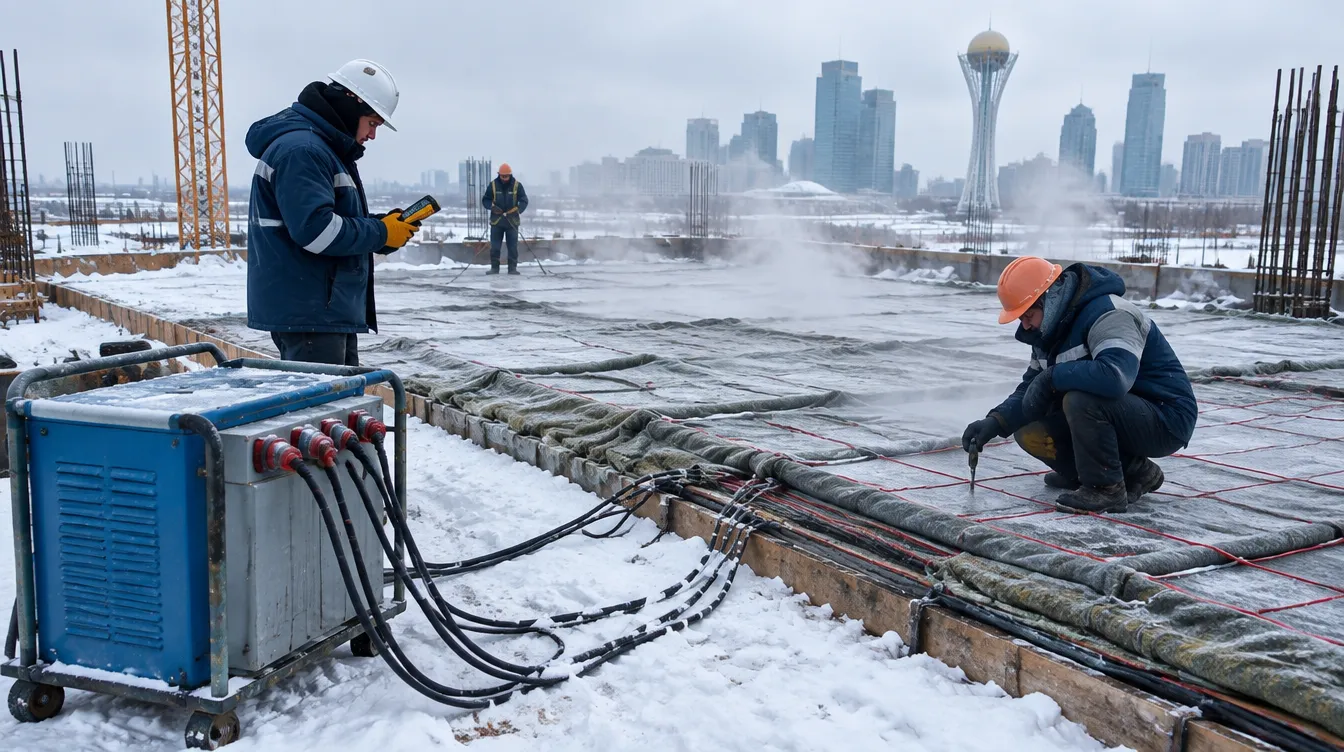
- Seasonality — concrete, earthworks and façade works in Kazakhstan depend heavily on the weather. A realistic programme plans for winter rather than hoping for a warm November.
- Procurement — order dates for long-lead items: steelwork, lifts, transformers, windows.
- Client obligations — handing over the site and technical conditions, approving samples and design decisions. Delays on this side also push back the schedule.
How to tie payment to stages
The "advance plus balance on completion" scheme is inconvenient for both parties. Stage payments, where money follows the volume of work actually completed, are far more reliable:
- Advance payment — for mobilisation and procurement of long-lead materials. It makes sense for it to be recovered proportionally from subsequent payments.
- Interim payments — against certificates of completed works, monthly or on reaching milestones. The basis for payment is a signed certificate with quantities verified by technical supervision.
- Retention — a small percentage of each payment, released once snagging items are cleared or at the end of an agreed period.
- Final account — after acceptance of the building and handover of the complete as-built documentation.
Specific percentages, deadlines and the payment procedure are set out in the contract. For projects involving public funds or a complex financing structure, it is best to consult a lawyer in advance.
Pay for results you can see and measure: cubic metres of concrete, tonnes of erected steel, metres of laid utilities — not for verbal "percentages of completion".
Control tools
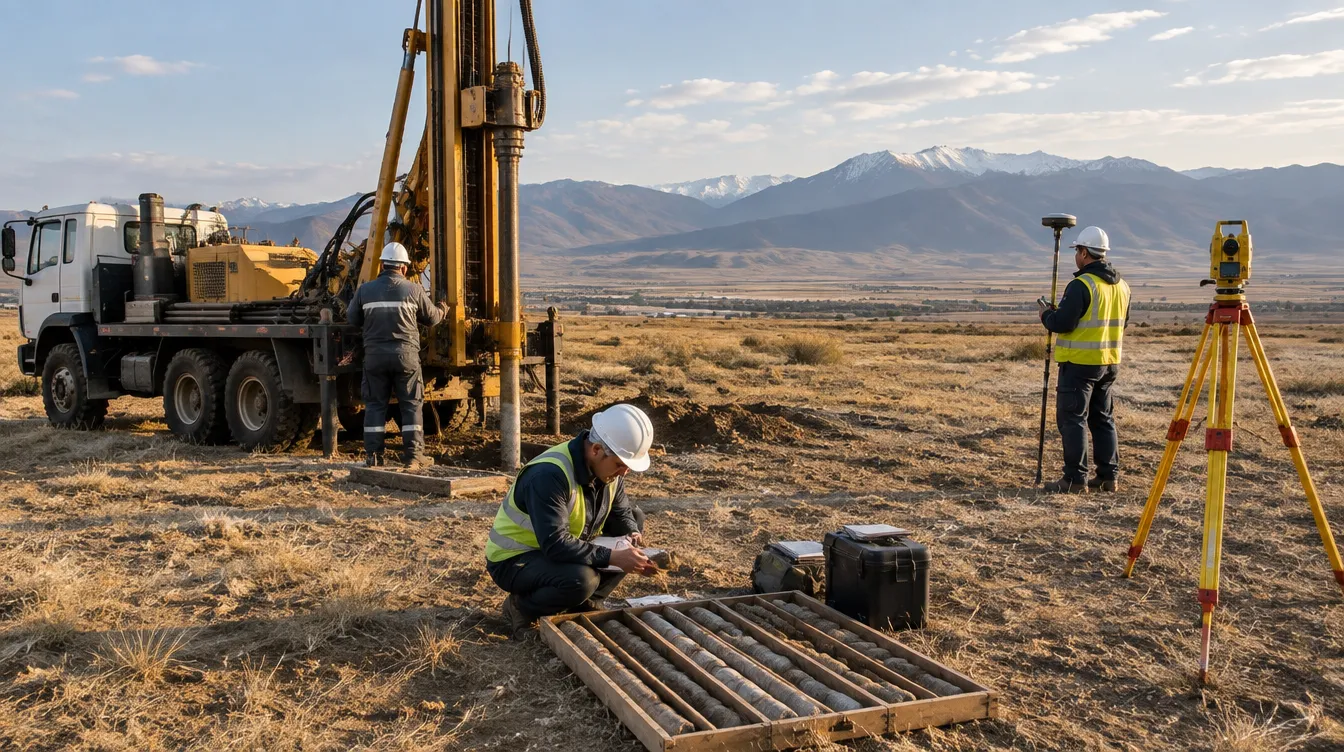
Technical supervision. The client's engineer checks quantities and quality, signs off concealed works and confirms certificates of completed works. No payment is made without their signature. Learn more on the technical supervision page.
Weekly progress meeting. A short site meeting: what was done this week, what is planned and which issues need the client's decision. The minutes are circulated to all participants.
Photo records. Dated photos and video for every stage — especially important for concealed works. This protects both the client and the contractor in the event of a dispute.
Plan-versus-actual analysis. Comparing the programme with actual progress weekly or monthly. Slippage on the critical path is a signal to act: reinforcing crews, adding a second shift or changing the sequence.
Dealing with changes
Changes are inevitable: the client alters the layout, a supplier delays equipment, the design review demands revisions. The key is to record every change in writing: a supplementary agreement setting out quantities, cost and impact on the schedule. Verbal agreements on site are a direct route to conflict at the final account. If you need to explain a layout change quickly, it is convenient to mark it up in our plan editor and attach it to the minutes.
Common client mistakes
- A large advance without guarantees — if the advance is not recovered from ongoing payments, the contractor loses the incentive to speed up and the client loses leverage.
- Paying without certificates — "transfer the money now, we'll sign the certificates later" quickly leads to confusion over quantities and disputes at the final account.
- Delaying your own decisions — unapproved finish samples, unagreed equipment, late issue of technical conditions. The contractor stands idle and the deadline slips through the client's fault.
- No single point of contact — when several client representatives give instructions on site, the crew receives conflicting tasks. Appoint one authorised person.
How we do it
At Techno-Module, every project runs to a detailed programme that the client can view in their personal account together with the percentage complete, photo reports, cost estimates and certificates. Payment is by stages and certificates, with a transparent cost estimate that you can assess in advance in our cost calculator. Our own equipment and in-house workforce let us keep to deadlines without depending on third-party subcontractors.
Send us an enquiry and we will prepare a preliminary programme, cost estimate and payment scheme for your project and discuss which control points suit you best.